


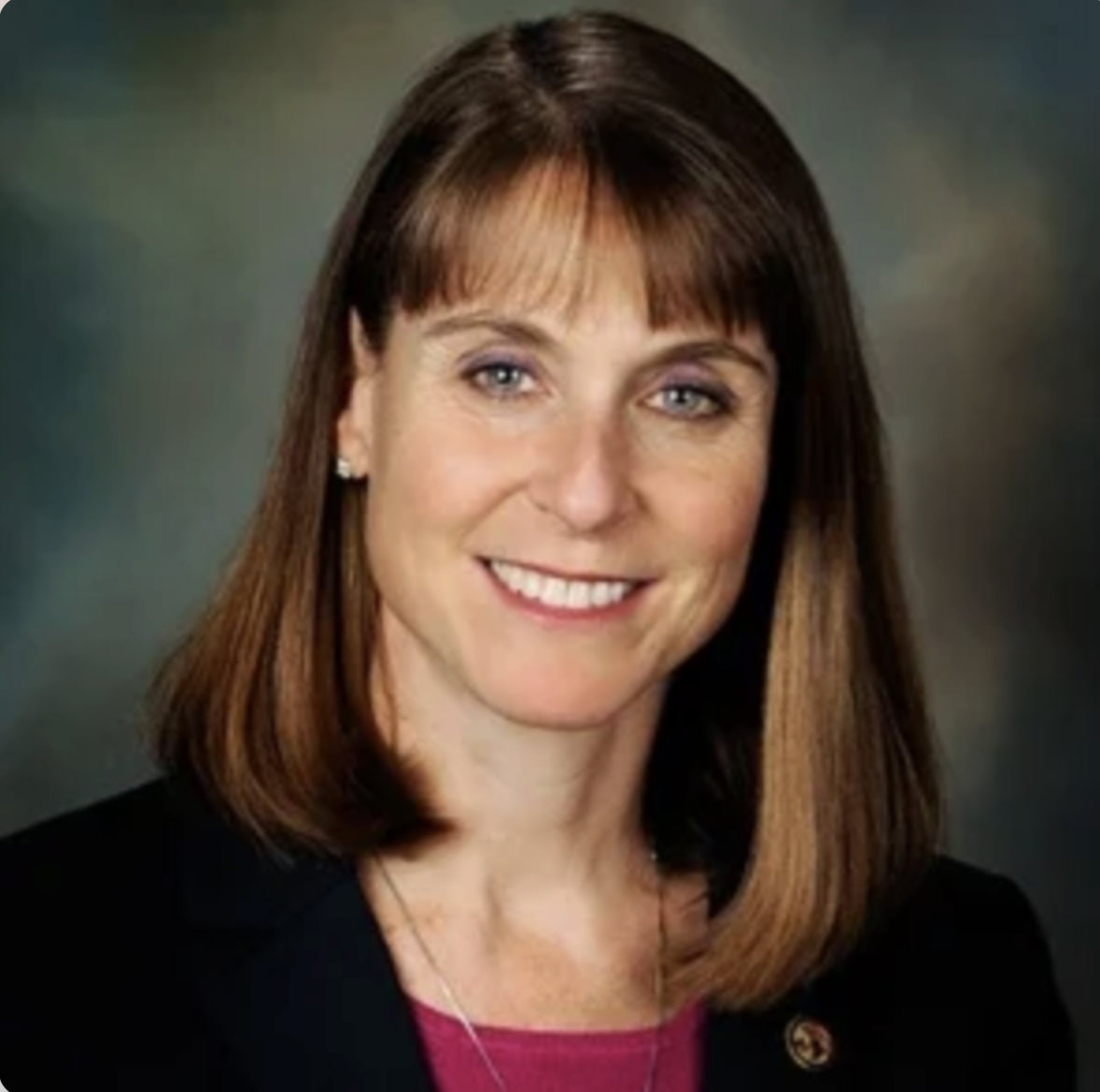
State Senator
Laura Fine
Their Support
Senator Laura Fine serves as the representative for the 9th district in the Illinois Senate. After meeting with LinkMind's president Renee at POWER Act Lobby Day on May 30th, 2026, she expressed her support for the organization and its initiatives, especially the environmental risk exposure research project. She called LinkMind "amazing" and emphasized the importance of regulating pollution caused by data centers. Fine's interest in LinkMind laid down an important foundation for our organization's continued growth.

State Representative
Robyn Gabel
Their Support
Robyn Gabel serves as Majority Leader of the Illinois House of Representatives, representing the 18th district. LinkMind first connected with Representative Gabel at POWER Act Lobby Day on May 30th, 2026. Through ongoing email exchanges and meetings where she learned more about our cause, Representative Gabel came to endorse LinkMind and its mission. She said that "the work we do is very important and promising and we need to keep educating and spreading awareness." Her support is invaluable to LinkMind's growth, and it strengthens our organization as we continue to make progress.
The Growth of Data Centers: Are Effects Distributed Equally?
By Emma Lu Data centers are the backbone of the internet. These facilities have helped…
Illinois Legislation Worth Supporting: Protecting Public Health Through Environmental Action
By Emma LuAs environmental concerns continue growing across Illinois, several lawmakers have introduced legislation aiming…
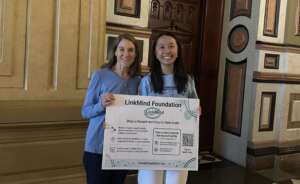
Bridging Research and Policy: LinkMind at the POWER Act Lobby Day
By Renee Ma On May 30th, I had the privilege of representing LinkMind at the…
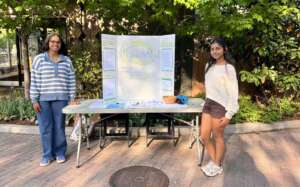
LinkMind Spring Events: Earth Day and Data Collection
By Kevin Liu and Renee Ma This spring, our team ventured out into the Cincinnati…

Navigating Home Energy Rebates: The LinkMind Guide
By Cathy Ding, Civa Haverson, and Rana HaversonFederal clean energy tax credits are hard to…

Behind Every Door: The Real Story
By LinkMind FoundationFive members of LinkMind stood on suburban streets across six states, clipboards in…