By Emma Lu
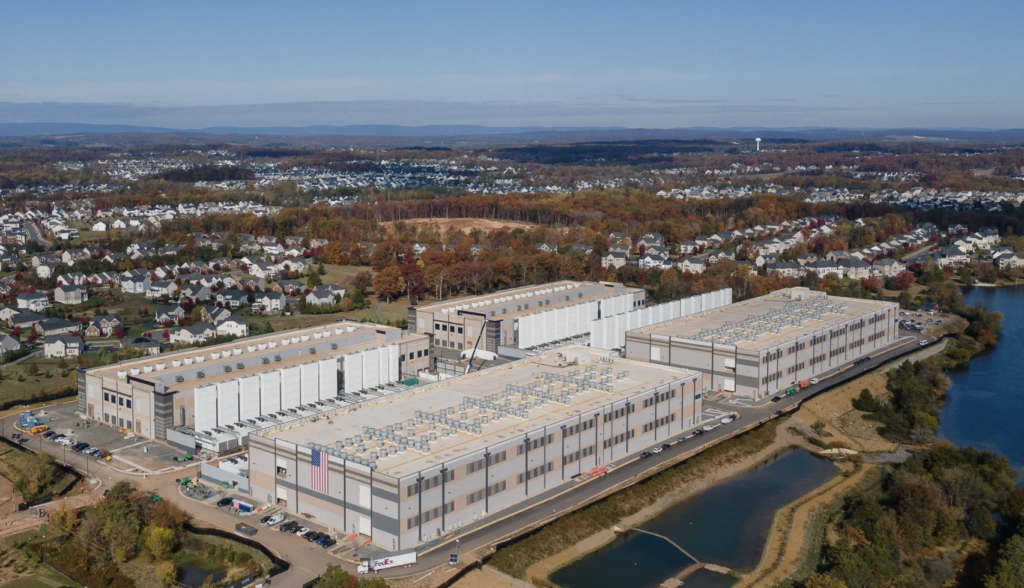
Data centers are the backbone of the internet. These facilities have helped drive innovation in technology, education, and scientific research. Yet they also require substantial amounts of water, electricity, land, and infrastructure. As data centers continue to grow across the country, we must ask who benefits, who bears the costs, and how those impacts differ across regions and populations.
Supporters of data centers point to several important advantages. New facilities can create well paying jobs in construction and engineering operations. They also further advancements in technology while generating large amounts of tax revenue. This tax revenue is used by the government to fund schools, law enforcement, and other infrastructure. In regions with abundant renewable energy and water supplies, these facilities have a smaller environmental footprint while contributing to economic growth.
Geographical Differences
The environmental impact of a data center depends heavily on where it is located. A facility built in a water rich region powered primarily by renewable energy presents different challenges than one built in an area facing droughts. Researchers and environmental organizations have noted that many new AI data centers are being developed in regions of the United States where local communities are already facing concerns about water availability.
According to the World Resources Institute, two-thirds of all data centers built or in development since 2022 are located in water-stressed areas like southern Arizona, the Colorado River Basin, and Texas. Data centers require substantial water resources to cool servers and prevent overheating, and large facilities can consume as much as 5 million gallons daily. Communities experiencing drought may face additional pressure on already limited supplies.
Demographic Differences
In addition, the benefits and burdens of data centers are rarely distributed equally among different demographics. According to The Center for Disease Control’s Environmental Justice Index, nearly half of data centers across the country are in locations with above median environmental burdens and social vulnerability indicators, such as poverty and lower education. Low income communities and communities of color have often been located near highways, power plants, and other infrastructure associated with pollution.
One clear example is in Memphis, Tennessee, where more than 30 natural gas turbines are being installed. Local residents and the NAACP filed a notice with intent to sue under the Clean Air Act, as the project could worsen already dangerous air quality in a city with high asthma rates and environmental health disparities. Dr. John Fleming of the Center for Biological Diversity stated, “As you increase these climate effects … marginalized communities are the least equipped to adapt to those kinds of things.”
Environmental justice advocates have also raised concerns that underserved communities sometimes have less influence over decisions regarding large scale infrastructure projects despite being directly affected by them. Residents pay taxes to promote the growth of data centers that they don’t benefit from. These concerns highlight the importance of transparency and meaningful public participation during public decision making.
Future Reforms
Future legislation should encourage renewable energy use and require public disclosure of water and energy consumption. They must put public health over corporate profit. We need strict environmental laws that force data centers to publicly track their water use, ban them from draining water resources in drought prone areas, and give local neighborhoods a real vote on where these facilities are built. Policymakers should legally prohibit the placement of these facilities in historically overburdened, low income communities and communities of color. Furthermore, new laws must require tech companies to fully fund their own renewable energy infrastructure and strictly comply with the U.S. Environmental Protection Agency’s Clean Air Act standard.
AI has the potential to contribute to a more innovative and sustainable future. However, that future depends on the policies that guide its development. By recognizing both the opportunities and the challenges of AI data centers, we can work toward solutions that benefit the environment and the people.